Serializability of a class is enabled by the class implementing the java.io.Serializable interface. Classes that do not implement this interface will not have any of their state serialized or deserialized. All subtypes of a serializable class are themselves serializable. The serialization interface has no methods or fields and serves only to identify the semantics of being serializable.
In other words, serializable objects can be written to streams, and hence to files, object databases — anything, really.
Also, there is no syntactic difference between a JavaBean and any other class: a class is a JavaBean if it follows the standard.
There is a term for it because the standard allows libraries to programmatically do things with class instances you define in a predefined way. For example, if a library wants to stream any object you pass into it, it knows it can, because your object is serializable (assuming the library requires your objects to be proper JavaBeans).
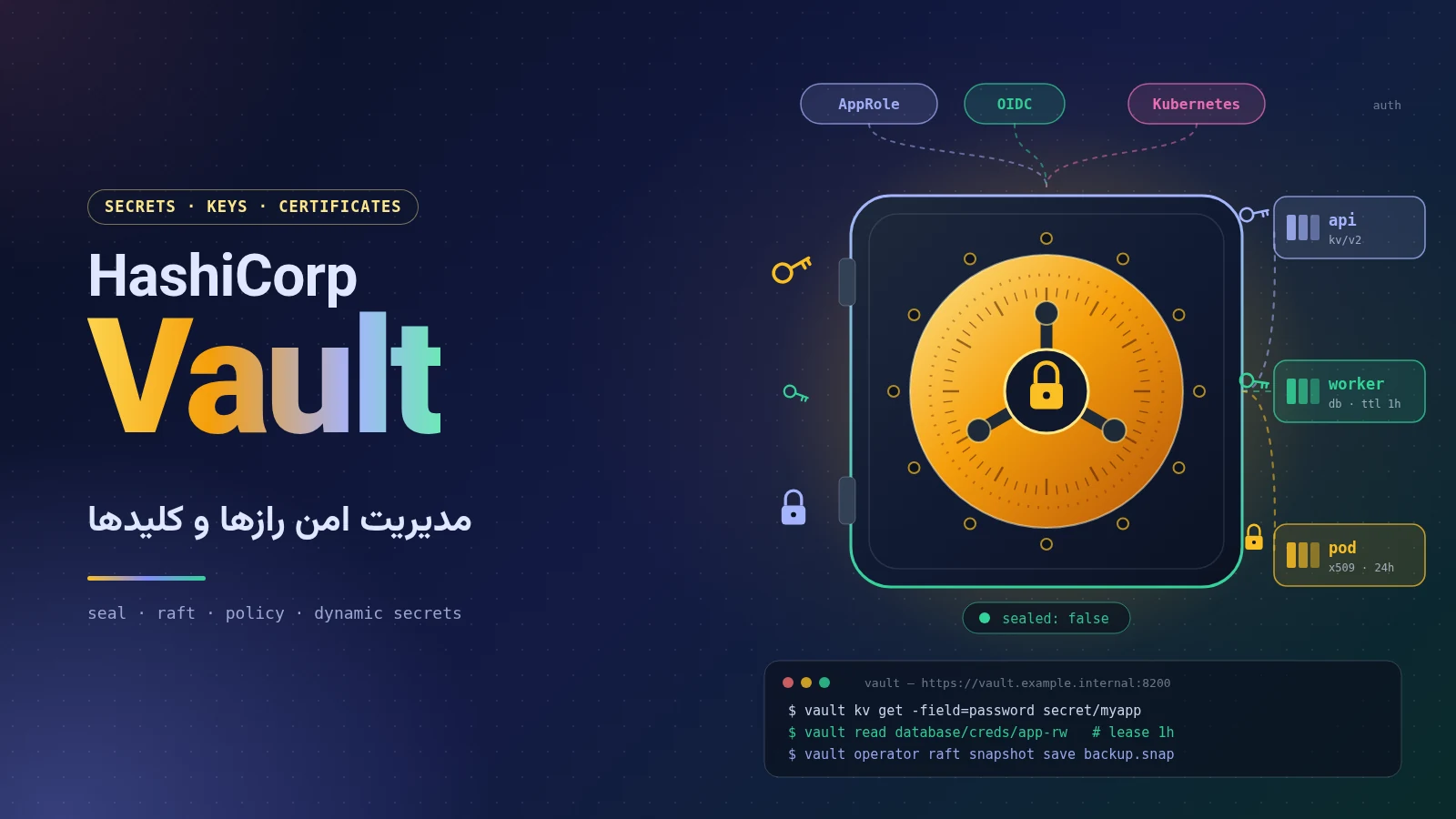
A complete, practical guide to managing secrets with HashiCorp Vault: history, the move to BSL, OpenBao and IBM’s acquisition of HashiCorp, seal/unseal and Raft, tokens and policies, AppRole and Kubernetes, dynamic secrets, PKI and Transit, a Docker Compose setup with TLS, Spring Boot integration and a production checklist.
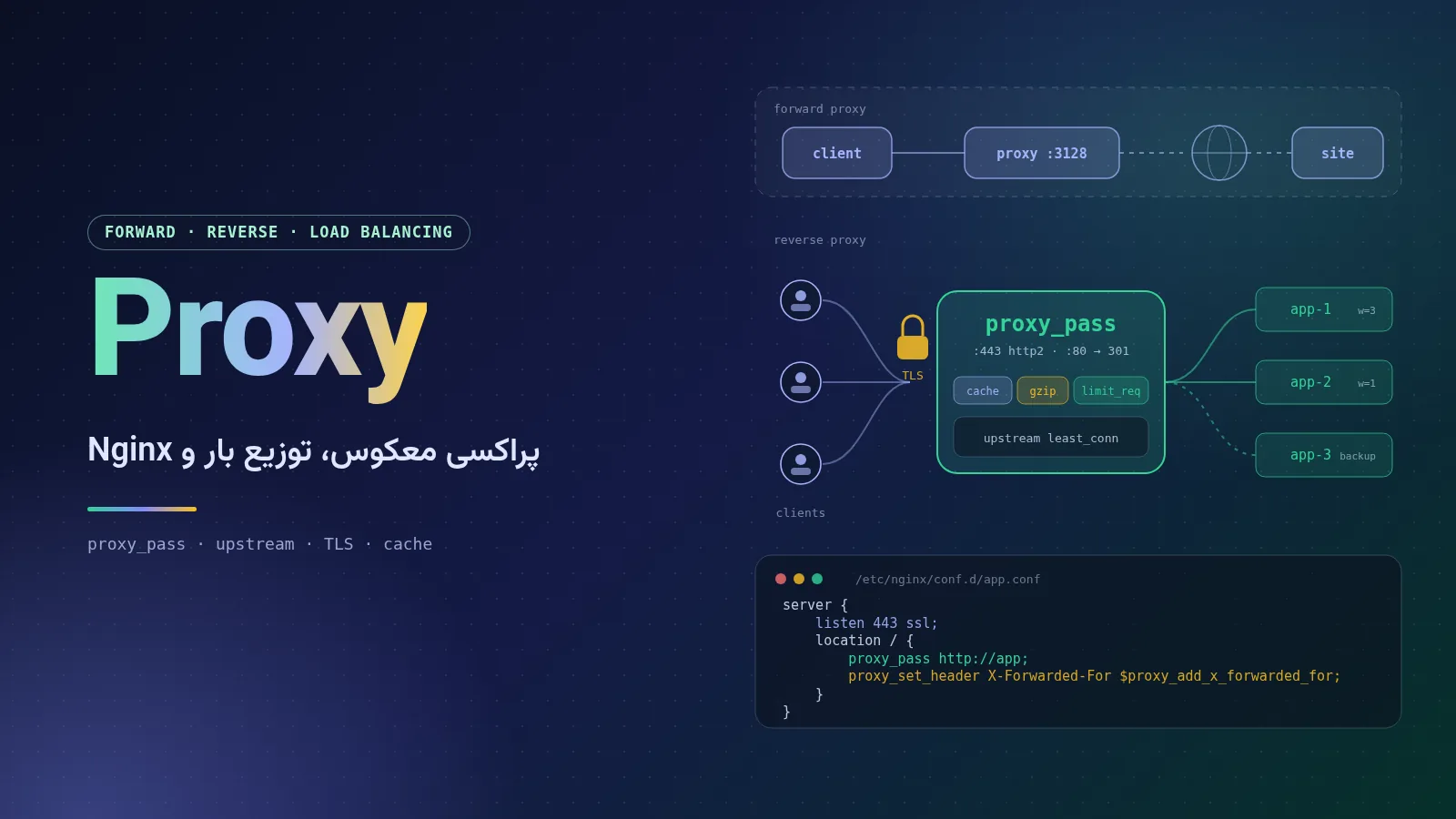
A complete, plain-language guide to proxy servers: forward, reverse and transparent proxies, HTTP and SOCKS, load-balancing algorithms, and a full Nginx tutorial covering installation, configuration structure, reverse proxying, SSL with Let's Encrypt, WebSocket, caching, rate limiting, security headers and troubleshooting 502 and 504 errors.
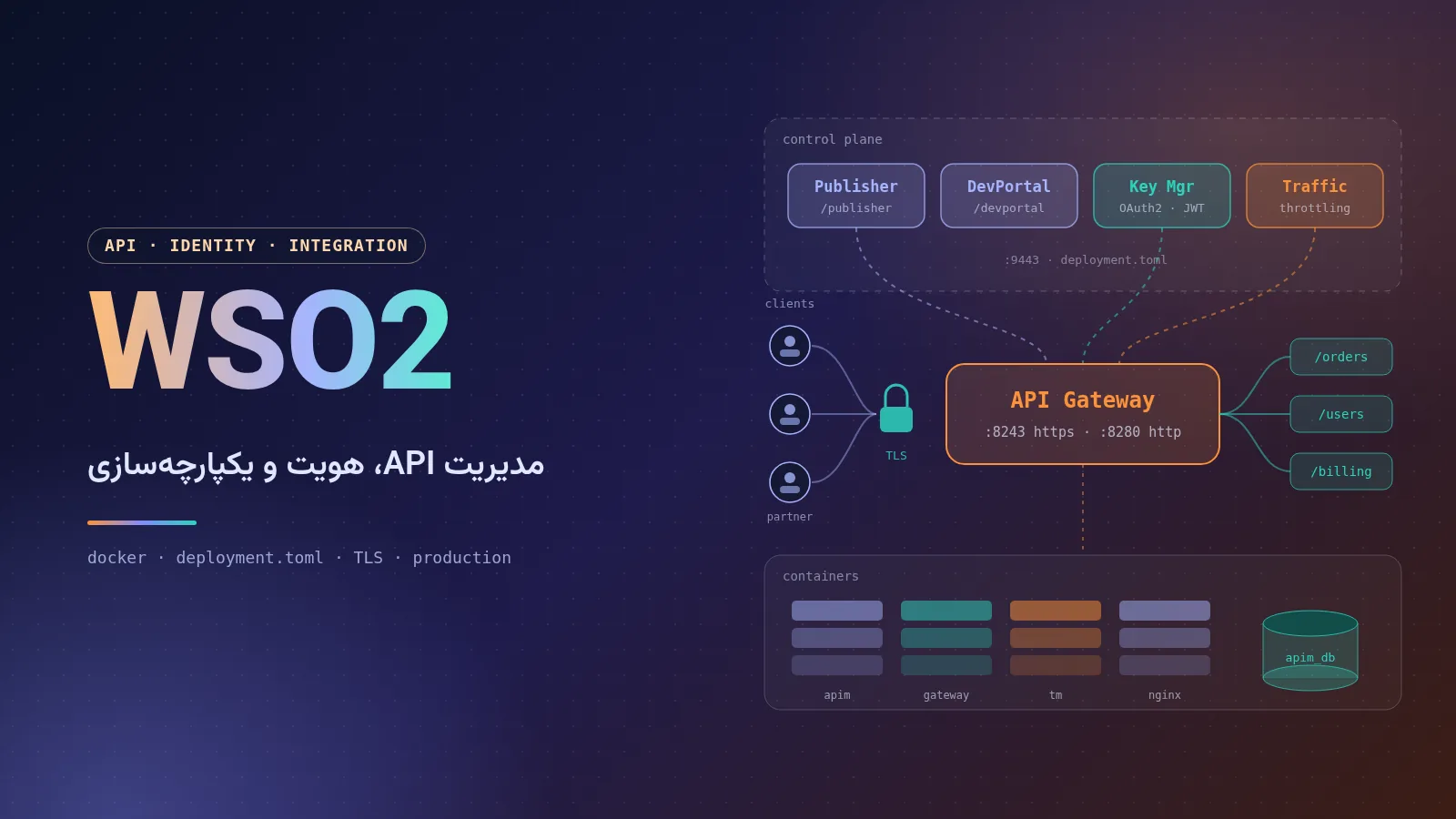
A complete, practical guide to WSO2: the company and its products, the architecture of API Manager 4.7, installation with Docker and Docker Compose, configuring deployment.toml, SSL with Let's Encrypt and Nginx, production deployment tips and a comparison with competitors.
Comments No comments yet
To leave a comment, open this page in a web browser.