Which Technology Fits Better: Oracle ADF or Forms Builder?
Mahyar Tolooie ·
·
2 min read
Many people and companies who plan to build a new system and are evaluating Oracle’s technologies — or who have a system written in Forms 6i and now want to modernize its look, power and features and move it to the web — keep asking the same question: which technology is the better fit?
Below I list the advantages and disadvantages of each technology, and I invite readers to share their opinions too.
Oracle Forms 11g
Advantages:
An up-to-date technology
Runs on WebLogic Server, which supports clustering
Acceptable performance
Good facilities for rapid system development
Disadvantages:
Not a true three-tier web architecture
No adequate technical support available at the moment
Problems with Persian localization
Cannot be integrated with the Fusion Middleware layer
Various bugs, because the version is new
Oracle Forms 10g
Advantages:
Fast development, thanks to its similarity to Forms 6i
Affordable experts are available in Iran
Forms 6i applications can be converted to Forms 10g at a reasonable cost and in a short time
Localized for Iran
Standardized and supported in Iran by a number of companies
Disadvantages:
The technology is quite old, so it lacks advanced features and even an attractive presentation layer.
It is not based on a true web architecture (the MVC pattern); it only moves the Forms 6i presentation layer to the web (using an applet).
It is not particularly fast.
It uses Oracle Application Server 10g, a weak server with many bugs that slows down noticeably under high load.
It cannot be integrated with other applications.
Oracle ADF 11g
Advantages:
Based on J2EE, the best-known platform for developing web applications
Runs on WebLogic Server, which is very powerful; since both ADF and WebLogic support clustering, applications with more than 400 concurrent users can be implemented easily
Part of the Oracle Fusion Middleware layer, so it can work with all products of that layer, such as Oracle WebCenter, Oracle BI, Oracle BPMN, Oracle SOA Suite and OID
More than 100 ready-to-use components in the presentation layer
Very fast development of true web-based systems
Oracle itself uses this framework to build its own web applications
With 40–50 hours of training the framework can easily be learned and put to use
Technical support and localization in Iran have been completed successfully, and many companies are developing with this framework
It has the power of Java EE without being complicated
It puts a strong emphasis on reusability, so development speeds up over time
Disadvantages:
Not enough experienced professionals
High cost
I hope this comparison gives you the insight you need.
A complete, practical guide to managing secrets with HashiCorp Vault: history, the move to BSL, OpenBao and IBM’s acquisition of HashiCorp, seal/unseal and Raft, tokens and policies, AppRole and Kubernetes, dynamic secrets, PKI and Transit, a Docker Compose setup with TLS, Spring Boot integration and a production checklist.
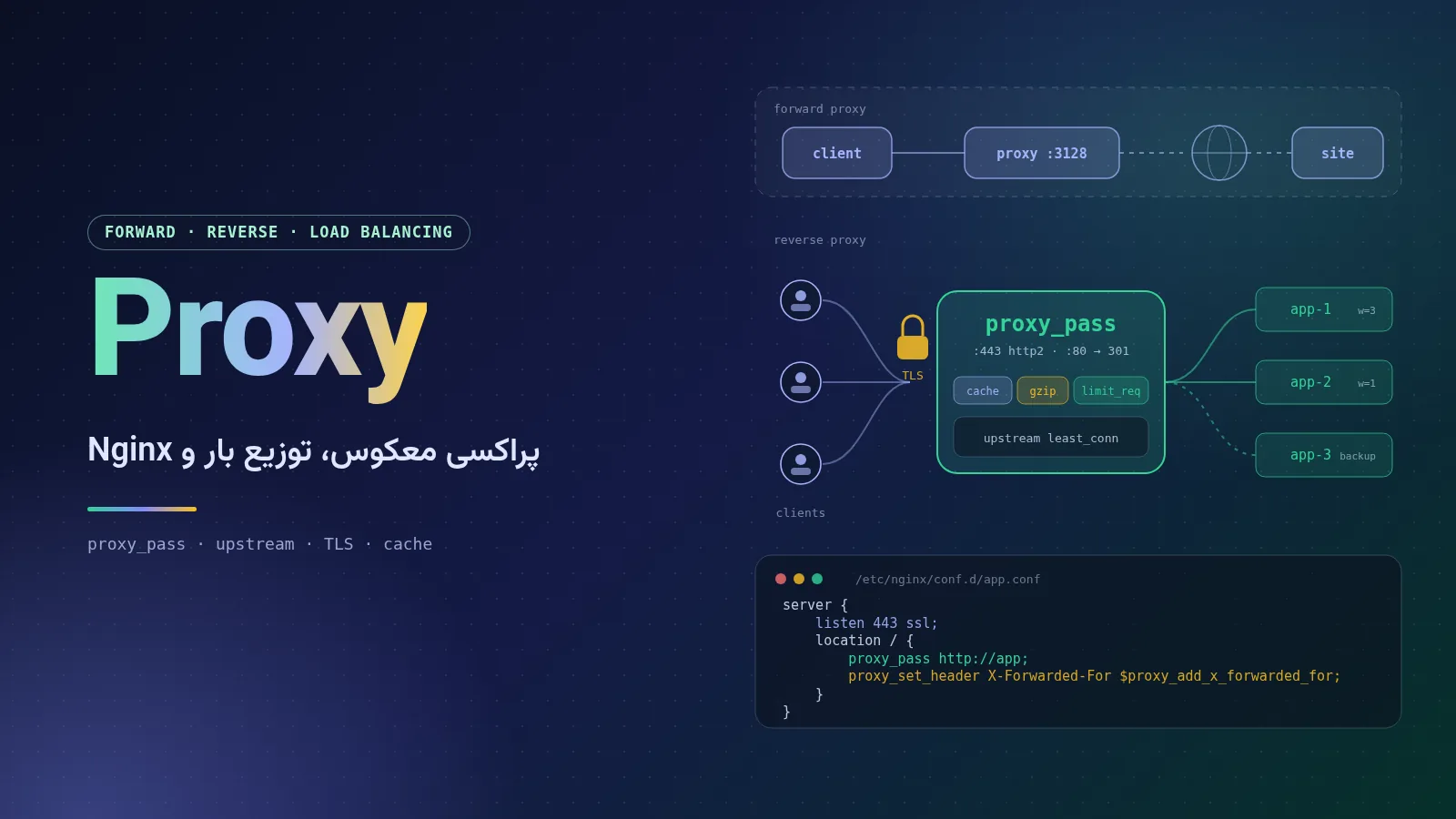
A complete, plain-language guide to proxy servers: forward, reverse and transparent proxies, HTTP and SOCKS, load-balancing algorithms, and a full Nginx tutorial covering installation, configuration structure, reverse proxying, SSL with Let's Encrypt, WebSocket, caching, rate limiting, security headers and troubleshooting 502 and 504 errors.
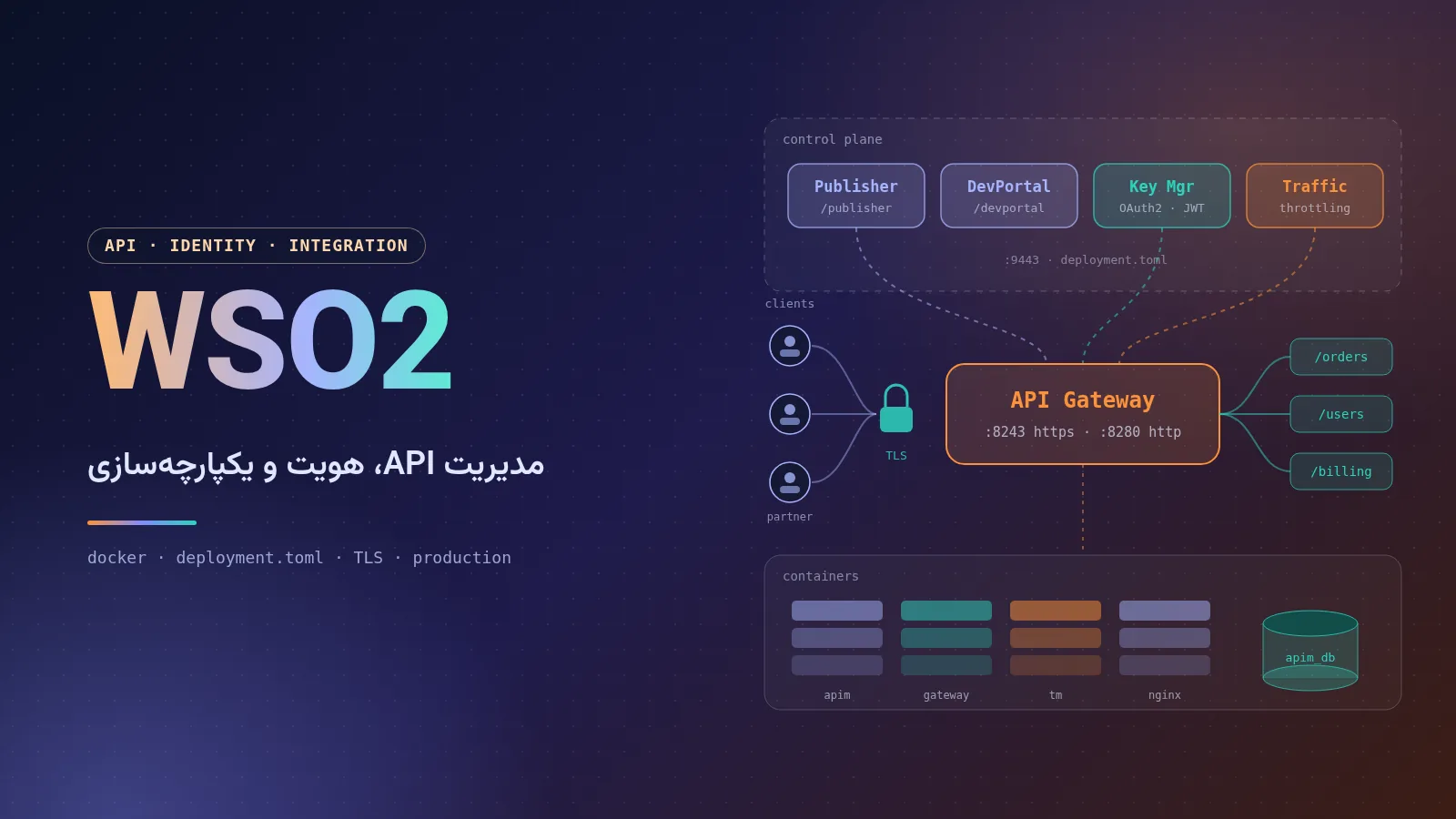
A complete, practical guide to WSO2: the company and its products, the architecture of API Manager 4.7, installation with Docker and Docker Compose, configuring deployment.toml, SSL with Let's Encrypt and Nginx, production deployment tips and a comparison with competitors.

Comments No comments yet
To leave a comment, open this page in a web browser.